Microencapsulated Ingredients: Advancing Innovation in Food, Nutraceutical, and Beverage Manufacturing ________________________________________
Introduction
The global food, beverage, and nutraceutical industries are evolving rapidly. Consumers today demand products that are healthier, cleaner, longer-lasting, and more effective than ever before. At the same time, manufacturers face increasing challenges in preserving ingredient quality, maintaining nutritional value, ensuring product stability, and delivering exceptional sensory experiences.
This is where microencapsulation technology has emerged as one of the most significant innovations in modern ingredient science.Microencapsulated Ingredients
By protecting sensitive ingredients and enabling controlled release, microencapsulation helps manufacturers develop products that meet both consumer expectations and regulatory requirements. From vitamins and antioxidants to flavors, acidulants, probiotics, and functional ingredients, encapsulation technology is transforming product development across multiple industries.
As a leading microencapsulated ingredients manufacturer, PHS Life Sciences combines scientific expertise with proprietary encapsulation technologies to help food and nutraceutical companies create high-performance formulations that are stable, effective, and commercially successful.
Whether you’re developing fortified beverages, functional foods, bakery products, dietary supplements, or animal nutrition solutions, advanced encapsulation technology can significantly improve ingredient functionality while supporting innovation and operational efficiency.
What Is Microencapsulation Technology?
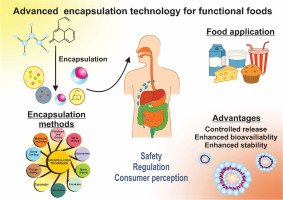
Microencapsulation is an advanced process that surrounds active ingredients with a protective coating or shell, forming microscopic capsules that shield sensitive compounds from environmental and processing stresses.PHS Life Sciences – Official Website These capsules remain intact until the ingredient reaches the desired stage of manufacturing or consumption, where the active component is released in a controlled manner.
This technology addresses many of the formulation challenges faced by food and nutraceutical manufacturers by protecting ingredients from:
- Heat during processing
- Oxygen exposure
- Moisture
- Light degradation
- Chemical interactions
- Mechanical stress
- Premature release
The result is improved product quality, greater formulation flexibility, and enhanced consumer satisfaction.
Unlike conventional ingredient systems, microencapsulation enables manufacturers to preserve the functionality of bioactive compounds throughout production, transportation, storage, and final consumption.
How Does Microencapsulation Work?
Microencapsulation involves coating active ingredients with carefully selected food-grade materials using specialized manufacturing processes. The coating material acts as a protective barrier while allowing controlled release under specific conditions such as temperature, moisture, pH, or mechanical action.
The process generally includes:
- Selecting the active ingredient.
- Choosing the appropriate encapsulating material.
- Applying proprietary encapsulation technology.
- Producing stable microcapsules.
- Integrating the encapsulated ingredient into the final product.
The choice of encapsulation material and process depends on the intended application, processing conditions, shelf-life requirements, and release profile.
Why Manufacturers Are Investing in Microencapsulation
Manufacturers increasingly adopt microencapsulation because it helps overcome common formulation challenges while improving overall product performance.
Key advantages include:
- Enhanced ingredient stability
- Extended shelf life
- Improved nutrient protection
- Better flavor retention
- Reduced ingredient degradation
- Controlled release functionality
- Enhanced process compatibility
- Improved handling and storage
- Consistent product quality
These benefits make microencapsulation an essential technology for companies seeking to develop innovative, high-value products.
Why Microencapsulation Matters in Today’s Food and Nutraceutical Industry
The food and nutraceutical sectors are experiencing unprecedented growth driven by consumer demand for functional, convenient, and clean-label products. However, many active ingredients are inherently unstable and can lose their effectiveness during processing or storage.
Microencapsulation provides a practical solution by safeguarding these ingredients and ensuring they deliver their intended benefits.
Protecting Sensitive Nutrients
Many vitamins, minerals, antioxidants, and botanical extracts are highly susceptible to degradation. Exposure to heat, oxygen, moisture, and light can significantly reduce their potency.
Microencapsulation creates a protective barrier that helps maintain ingredient integrity throughout manufacturing and distribution.
This is particularly valuable for:
- Vitamin A
- Vitamin D
- Vitamin C
- Coenzyme Q10
- Lutein
- Lycopene
- Astaxanthin
- Curcumin
- Probiotics
- Omega fatty acids
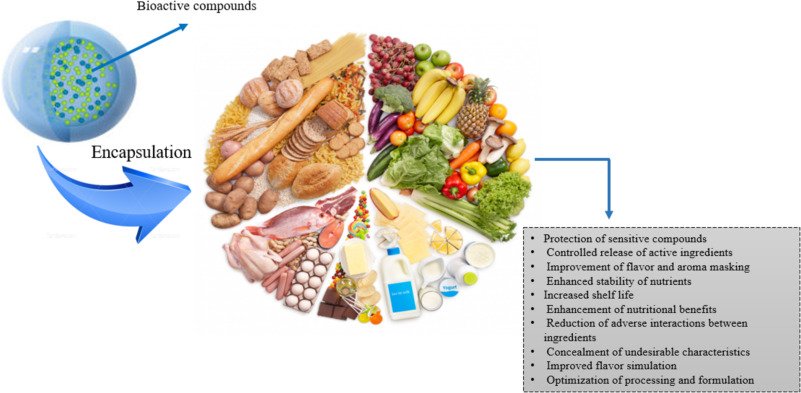
By preserving these sensitive compounds, manufacturers can deliver products with consistent nutritional value and longer shelf life.
Improving Bioavailability
Not all nutrients are absorbed efficiently by the human body. Poor solubility, instability, and interactions with other ingredients can limit their effectiveness.
Advanced encapsulation technologies can improve:
- Solubility
- Stability
- Absorption
- Controlled delivery
- Nutrient utilization
Enhanced bioavailability allows manufacturers to develop more effective functional foods and dietary supplements while delivering greater value to consumers.
Extending Shelf Life
Shelf life is a critical factor for manufacturers distributing products across regional and global markets. Ingredient degradation not only affects nutritional quality but also influences taste, aroma, texture, and appearance.
Microencapsulation helps preserve product quality by reducing oxidation, moisture absorption, and unwanted chemical reactions.
Benefits include:
- Reduced waste
- Improved inventory management
- Consistent product performance
- Increased customer satisfaction
- Better export stability
For manufacturers serving international markets, improved shelf life also supports longer transportation and storage periods without compromising product quality.
Delivering Superior Taste and Consumer Experience
Consumers increasingly expect products that combine health benefits with excellent taste and texture.
Delivering Superior Taste and Consumer Experience
Consumers increasingly expect products that combine health benefits with excellent taste and texture. However, many functional ingredients have bitter flavours, unpleasant odours, or undesirable mouthfeel.
Microencapsulation addresses these challenges by masking off-notes and protecting volatile flavour compounds until consumption.
This enables manufacturers to formulate products that are both nutritious and enjoyable, improving consumer acceptance and brand loyalty.
Applications include:
- Functional beverages
- Nutritional supplements
- Protein powders
- Energy drinks
- Fortified dairy products
- Bakery products
- Confectionery
- Ready-to-eat foods
However, many functional ingredients have bitter flavours, unpleasant odours, or undesirable mouthfeel.
Microencapsulation addresses these challenges by masking off-notes and protecting volatile flavour compounds until consumption.
This enables manufacturers to formulate products that are both nutritious and enjoyable, improving consumer acceptance and brand loyalty.
Applications include:
- Functional beverages
- Nutritional supplements
- Protein powders
- Energy drinks
- Fortified dairy products
- Bakery products
- Confectionery
- Ready-to-eat foods